Free Zone vs. Mainland: Which One is Right for Your UAE Business?
One of the most critical decisions an entrepreneur faces when entering the United Arab Emirates is choosing the right legal jurisdiction. In the UAE, you essentially have two main paths: Free Zone or Mainland. Both offer incredible opportunities, but choosing the wrong one can limit your growth or lead to unnecessary costs. At Start Free Zone, we help you navigate this choice by looking at your business through the lens of your long-term goals. Here is everything you need to know about the differences between Free Zone and Mainland setups.
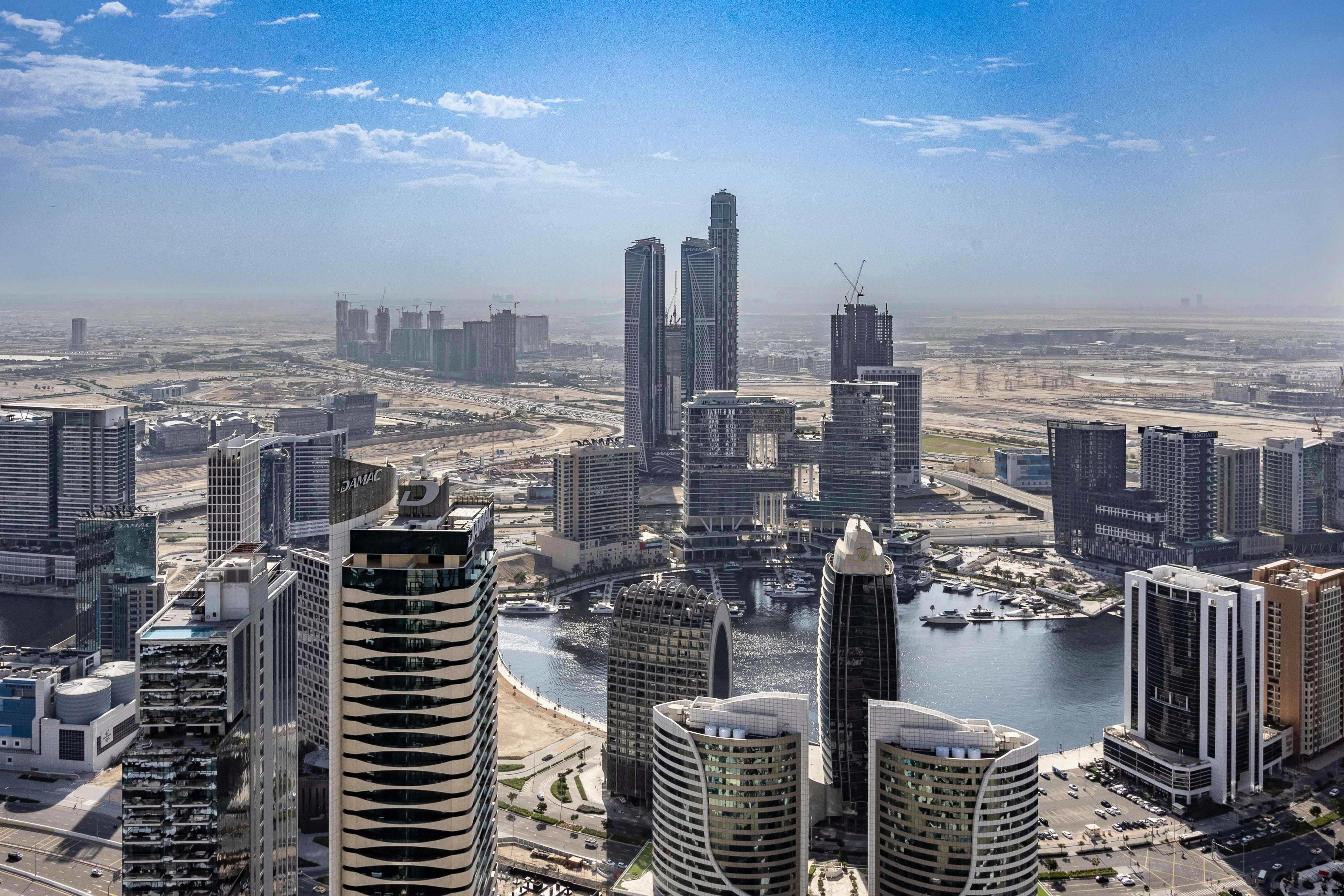
1. Free Zones: The International Gateway
Free Zones are specialized economic areas designed to attract foreign investment. There are over 40 Free Zones in the UAE, many focused on specific industries like tech, media, or logistics.
The Pros:
100% Foreign Ownership: You maintain full control of your company without needing a local agent or partner.
0% Personal & Corporate Tax: Most Free Zones offer tax exemptions on "Qualified Income" (subject to regulations).
Duty-Free Trade: Ideal for businesses that import and re-export goods internationally.
Fast Setup: Documentation is usually streamlined and can often be handled remotely.
The Cons:
Territorial Restrictions: Generally, you cannot trade directly with the local UAE market (Mainland) without a distributor or local agent.
Office Requirements: You are usually required to have a physical office or "flexi-desk" within that specific Free Zone.
2. Mainland: The Local Powerhouse
A Mainland company is registered with the Department of Economy and Tourism (DET) and is not restricted by geographical boundaries within the UAE.
The Pros:
Trade Anywhere: You can trade directly with the local UAE market, government entities, and international markets without restrictions.
Government Tenders: Only Mainland companies can bid for lucrative government contracts.
No Location Limits: You can open your office anywhere in the city (e.g., Dubai or Abu Dhabi) rather than being confined to a specific zone.
Unlimited Visas: Unlike Free Zones, which often have a cap on visas based on office size, Mainland companies have more flexibility for large-scale recruitment.
The Cons:
Regulatory Oversight: Compliance and auditing requirements can be more stringent than in Free Zones.
Corporate Tax: Mainland companies are subject to the standard 9% corporate tax on profits exceeding AED 375,000.
Quick Comparison Table
Feature | Free Zone | Mainland |
|---|---|---|
Ownership | 100% Foreign | 100% Foreign (for most activities) |
Scope of Trade | International & within the Zone | Anywhere in UAE & International |
Physical Office | Mandatory (within the Zone) | Mandatory (anywhere in the city) |
Corporate Tax | 0% (if qualifying) | 9% (on profits >AED 375k) |
Govt. Tenders | Restricted | Allowed |
Don't leave your business structure to chance. Contact us today for a free consultation, and let’s find the perfect home for your business in the UAE. foster relationships that keep clients coming back."
Which One Should You Choose?
Choose a Free Zone if:
Your clients are located outside the UAE.
You are an IT consultant, a digital marketer, or an e-commerce trader.
You want the fastest, most cost-effective entry into the market.
Choose Mainland if:
You want to open a retail shop, a restaurant, or a local service business.
You plan to bid for government projects.
You need a large workforce and a spacious office in the heart of the city.
How Start Free Zone Simplifies the Choice
Deciding between jurisdictions is about more than just a license; it’s about your tax strategy, banking needs, and future scalability.
At Start Free Zone, we provide:
Feasibility Analysis: We analyze your business activity to see which setup offers the most tax savings.
End-to-End Registration: Whether it’s a creative hub in a Free Zone or a corporate headquarters on the Mainland, we handle the bureaucracy.
Banking Support: We ensure your chosen structure is "bank-friendly" to avoid delays in opening your corporate account.
Share:


